- Elegant interiors featuring thespinkings.co.uk inspire modern living spaces
- The Appeal of Contemporary Interior Styles
- Integrating Texture and Warmth
- The Role of Lighting in Interior Design
- Layering Light for Optimal Effect
- Choosing the Right Furniture and Accessories
- Creating a Cohesive Look
- The Influence of Colour Psychology
- Beyond Aesthetics: Sustainable Interior Choices
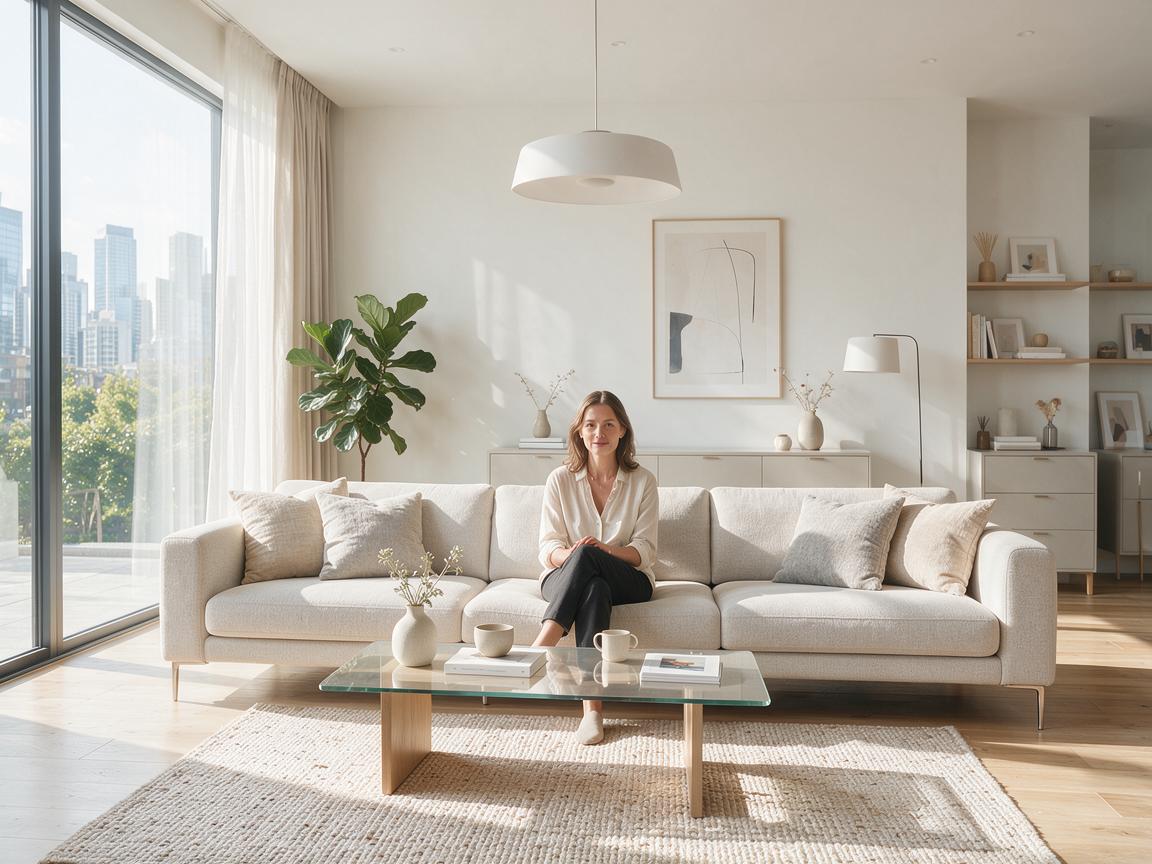
Elegant interiors featuring thespinkings.co.uk inspire modern living spaces
thespinkings.co.uk. The pursuit of comfortable and aesthetically pleasing living spaces is universal, and increasingly, homeowners are turning to online resources for inspiration and products. Among these resources, stands out as a provider of elegant interior solutions, offering a curated selection of items designed to elevate any home. The modern focus on interior design isn’t merely about aesthetics; it’s about creating functional, inviting spaces that positively impact well-being and daily life. Incorporating thoughtful design elements can transform a house into a home, and platforms like this one offer a starting point for realising that vision.
The importance of well-designed interiors extends beyond personal satisfaction. A thoughtfully curated home can significantly enhance its value, making it a more attractive prospect for potential buyers. Furthermore, a comfortable and functional living space can boost productivity, creativity, and overall quality of life. The current trend towards open-plan living, minimalist aesthetics, and the integration of natural materials all contribute to this focus on creating optimal living environments. Resources offering guidance and products, like those found on , are therefore becoming increasingly valuable to homeowners and design enthusiasts alike.
The Appeal of Contemporary Interior Styles
Contemporary interior design emphasizes clean lines, neutral colour palettes, and a focus on functionality. It moves away from the ornate details of traditional styles towards a more streamlined and minimalist aesthetic. Natural light is a key element, often maximized through unobstructed windows and the use of light-coloured walls. Furniture in contemporary spaces is often characterized by simple, geometric forms and a lack of excessive ornamentation. This style is particularly appealing to those who value simplicity, order, and a sense of calm in their homes. The emphasis is on creating spaces that are both visually appealing and highly practical, promoting a sense of well-being and tranquility. Contemporary design can be adapted to any space, from small apartments to large family homes.
Integrating Texture and Warmth
While contemporary design often focuses on clean lines and minimalism, it’s crucial to avoid creating a space that feels cold or sterile. Integrating texture and warmth is essential to achieving a balanced and inviting atmosphere. This can be accomplished through the use of natural materials such as wood, stone, and wool. Adding soft furnishings like rugs, cushions, and throws can also introduce texture and warmth. Layering different textures and tones creates visual interest and depth. Incorporating plants is another excellent way to add life and vibrancy to a contemporary space. Careful consideration of lighting is also important, with a mix of ambient, task, and accent lighting used to create a warm and inviting glow.
| Contemporary | Clean lines, neutral colours, functionality, natural light |
| Minimalist | Extreme simplicity, essential elements only, uncluttered space |
| Scandinavian | Light colours, natural materials, functionality, cozy atmosphere |
| Industrial | Raw materials, exposed brick, metal accents, urban aesthetic |
The table above illustrates a few popular design styles and their defining features. Understanding these characteristics can help homeowners identify a style that aligns with their personal preferences and lifestyle. While it’s perfectly acceptable to draw inspiration from multiple styles, it’s important to maintain a cohesive aesthetic throughout the home. Consistency in colour palettes, materials, and furniture choices contributes to a harmonious and visually pleasing environment.
The Role of Lighting in Interior Design
Lighting is a critical element of interior design, often underestimated in its power to transform a space. It’s not simply about illuminating a room; it’s about creating a mood, highlighting architectural features, and enhancing the overall aesthetic. Different types of lighting serve different purposes. Ambient lighting provides general illumination, while task lighting focuses on specific areas for activities like reading or cooking. Accent lighting is used to draw attention to artwork, sculptures, or other decorative elements. A well-designed lighting scheme incorporates all three types of lighting, creating a balanced and versatile environment. Effective lighting can also make a space feel larger, more inviting, and more comfortable.
Layering Light for Optimal Effect
Layering light is the key to creating a dynamic and visually appealing lighting scheme. This involves combining different types of lighting fixtures and sources to achieve the desired effect. For example, a combination of recessed lighting, pendant lights, and table lamps can create a layered look that provides both general illumination and focused light where it's needed. Dimmers are an essential tool for controlling the intensity of light and creating different moods. Consider the colour temperature of your light bulbs as well. Warm white light creates a cozy and inviting atmosphere, while cool white light is more energizing. Experiment with different lighting options to find what works best for your space and your personal preferences.
- Consider the natural light available in the room.
- Use dimmers to adjust the intensity of light.
- Layer different types of lighting fixtures.
- Choose light bulbs with the appropriate colour temperature.
- Don’t be afraid to experiment with different lighting schemes.
These suggestions offer a starting point for creating an effective lighting design. Careful planning and attention to detail can transform a room from dull and uninspiring to bright, inviting, and visually appealing. Remember that lighting is a powerful tool that can significantly impact the overall look and feel of your home.
Choosing the Right Furniture and Accessories
Selecting furniture and accessories is a crucial step in completing any interior design project. It’s important to choose pieces that are not only aesthetically pleasing but also functional and durable. Consider the size and layout of the room when selecting furniture. Avoid overcrowding the space with too many pieces. Instead, focus on quality over quantity, choosing a few key pieces that will make a statement. Pay attention to the materials and construction of the furniture. Opt for durable materials that will withstand wear and tear. Accessories, such as rugs, cushions, and artwork, can add personality and warmth to a room.
Creating a Cohesive Look
To create a cohesive look, it’s important to choose furniture and accessories that complement each other and the overall design style of the room. Consider the colour palette, materials, and textures when making your selections. A unifying theme can help tie the room together. For example, you might choose a colour scheme based on natural tones or a specific era of design. Don’t be afraid to mix and match different styles, but do so thoughtfully and deliberately. The goal is to create a space that feels harmonious and balanced. Ultimately, your furniture and accessories should reflect your personal taste and create a space that you enjoy spending time in.
- Determine the function of the room.
- Measure the space carefully.
- Choose furniture that is appropriately sized.
- Select durable materials.
- Add accessories to personalize the space.
Following these steps will help you to select the right furniture and accessories for your home. Remember that the key to successful interior design is to create a space that is both functional and aesthetically pleasing, a reflection of your unique personality and lifestyle.
The Influence of Colour Psychology
Colour plays a significant role in how we perceive and experience space. Colour psychology explores the emotional and psychological effects of different colours. For example, blue is often associated with calmness and tranquility, while red is associated with energy and excitement. Green is often linked to nature and renewal, while yellow is associated with happiness and optimism. Understanding the psychological effects of colour can help you create a space that evokes the desired mood and atmosphere. Consider the purpose of the room when choosing colours. For example, a bedroom might benefit from calming blues and greens, while a home office might benefit from stimulating yellows and oranges.
Beyond Aesthetics: Sustainable Interior Choices
Increasingly, homeowners are prioritizing sustainability in their interior design choices. This involves selecting materials and products that are environmentally friendly and ethically sourced. Opting for natural materials like wood, bamboo, and linen reduces reliance on synthetic materials and minimizes environmental impact. Choosing furniture made from recycled materials is another sustainable option. Supporting companies that prioritize fair labour practices and responsible manufacturing is also important. Beyond materials, consider energy-efficient lighting and appliances. These choices not only benefit the environment but can also save you money in the long run. Creating a sustainable home is a long-term investment in the health of the planet and the well-being of future generations.
The movement towards sustainable living is reshaping the interior design landscape, encouraging consumers to make informed choices that align with their values. By prioritizing environmental responsibility and ethical sourcing, we can create homes that are not only beautiful and functional but also contribute to a healthier and more sustainable future. This extends to considering the lifecycle of products – opting for items that are durable, repairable, and ultimately recyclable, minimizing waste and promoting a circular economy.